The Unreliable Reader
A second reading is not the first reading made wiser — it is a different cosmology entirely.

We never read the same book twice, because we are never twice the same reader.
— after Heraclitus
A sample essay — placeholder content to demonstrate the system. Replace or delete me.
There is a particular vertigo that comes from returning to a book one loved at twenty and finding it, at forty, to be a stranger wearing a familiar coat. The sentences have not moved. The semicolons sit where they have always sat. And yet the thing one is reading bears almost no resemblance to the thing one remembers reading. We are inclined to say that the book has deepened, or that we have grown into it, as though the text were a coat one finally fills out. But this is a flattering lie. What has changed is not the book and not, quite, our wisdom. What has changed is the reader, and the reader cannot be trusted to report honestly on that change.
The Self That Read Before
We carry around an idea of who we were when we first read a thing, and it is almost entirely fictional. I remember reading Middlemarch in a cold flat with the gas meter ticking, and I remember being moved by Dorothea. But which Dorothea? The one on the page, or the one I assembled out of my own unspent longing and a half-understood notion of vocation? When I return now, the passages I was certain had wrecked me turn out to be unmarked, while other paragraphs — ones I have no memory of at all — are underlined twice in a hand I recognise as mine and disown completely.
Memory, it turns out, is the most unreliable narrator we possess, and it narrates our reading lives with the same cheerful disregard for fact that it brings to everything else. We do not re-read books. We re-read the versions of ourselves that read them.
What the Margins Confess
The only honest witness is the physical book — the object that does not flatter and cannot revise. Open an old paperback and the marginalia testify against you. Here is the evidence of a person you have quietly stopped being.
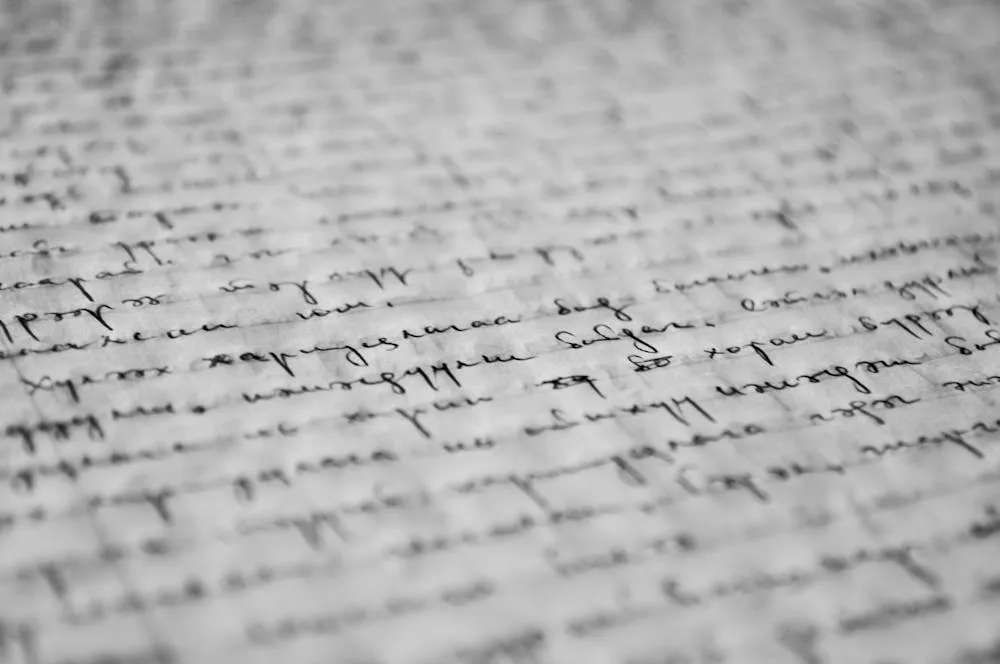
The pencil notes are a transcript of an argument between two people who happen to share a name. Sometimes the younger reader is sharper than I want to admit. Sometimes — more often — he is sentimental, certain, unforgivably sure of himself, and I want to reach back through the years and tell him to wait, to read it again in twenty years, to stop underlining the obvious.
A second reading is not the first reading made wiser; it is a séance in which we summon the reader we used to be and find we cannot speak the same language.
The Cosmology of the Return
Here is the strange consolation. Each re-reading is not a correction of the last but a wholly separate event, with its own weather, its own grief, its own preoccupations smuggled in from the life we happen to be living that week. A novel read during a bereavement is a different novel from the one read during a love affair, and both are different again from the one read on a delayed train with nothing better to do.
What changes between readings is, roughly:
- the things we are afraid of, which decide what we notice;
- the people we have lost, who lend their voices to the characters;
- the sentences we have since heard quoted, which now arrive pre-worn;
- and our patience, which lengthens and shortens with the decades.
This is why the project of re-reading is really a project of self-surveillance conducted by an unreliable agent. We go back to the book to find out what has happened to us, and we trust the book to tell us because the book, at least, has the decency not to lie about where it stood.
A Note on Trusting Yourself Anyway
None of this is cause for despair. The unreliability is the point. A faithful reader — one who read identically every time — would be a kind of corpse. To read again and feel the floor move is the surest evidence that one is still, however haphazardly, alive to things. The literature on autobiographical memory (the reconstructive view most of all) suggests we rebuild the past each time we recall it, never retrieving but always re-authoring.
So we are unreliable readers of unreliable memories of books that hold still. There are worse ways to spend a life. We read, we change, we return, and in returning we discover not the book but the long, quiet, faintly embarrassing record of having been many people — each of whom, in their season, sat down with the same pages and was changed by them in a way none of the others would recognise.